Tips
What Is Escrow in Real Estate? A Simple Guide for Property Buyers in Nigeria
Gospel Chukwuemeka
Buying property in Nigeria is a big deal. Whether you are buying land in Abuja, an apartment in Lagos, or a house in Port Harcourt, you are putting a lot of money on the table. And in a market where stories of fake documents, missing sellers, and stolen deposits are far too common, you need more than trust. You need a system that protects your money until everything checks out.
That system is called escrow.
In this guide, we will break down what escrow means, how it works in a real estate deal, and why more Nigerian property buyers are using it today.
What Does Escrow Mean?
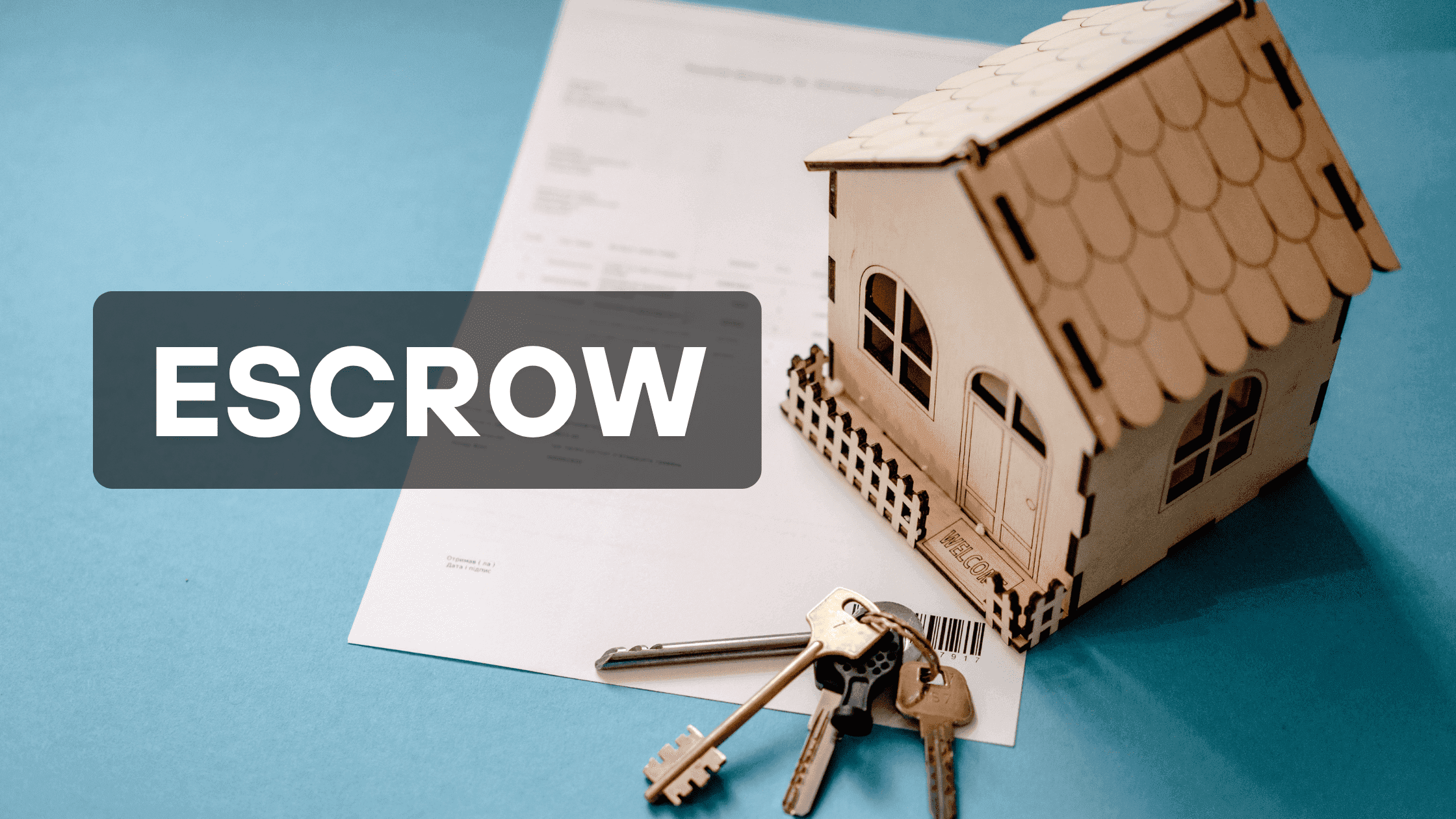
Escrow is simply a neutral holding arrangement. Instead of paying the seller directly, your money goes into a secure account held by a trusted third party. That third party holds the money and only releases it to the seller when all the agreed conditions have been met.
Think of it like this: you and the seller agree on a deal. You drop your money with a referee. The referee holds it until the seller proves everything is in order. Only then does the referee hand the money over.
Nobody gets to touch that money in the middle without both sides agreeing. That is the whole point.
Why Does It Matter When Buying Property in Nigeria?
In many countries, escrow is standard practice in real estate. In Nigeria, it is still catching on, but the need for it is very clear.
Here is what often happens without escrow:
A buyer pays a deposit directly to a seller or agent
The seller delays providing documents or goes quiet
The buyer discovers the land has another owner, or the title is fake
The money is gone, and getting it back becomes a legal battle
This happens more often than it should. Escrow removes that risk by making sure your money is not released until the seller has done their part.
How Does Escrow Work in a Real Estate Deal?
Here is a simple step-by-step of how the escrow process works:
Step 1: Buyer and seller agree on the terms Both parties agree on the price, what documents the seller must provide, and the timeline. These terms are written out clearly.
Step 2: The buyer deposits the money into escrow Instead of paying the seller, the buyer sends the funds to a secure escrow account. The seller knows the money is there, but cannot touch it yet.
Step 3: The seller fulfills the conditions The seller provides the agreed documents. This could include a Certificate of Occupancy (C of O), survey plan, deed of assignment, or other relevant papers. The buyer or their lawyer then verifies everything.
Step 4: Everything checks out Once the buyer confirms that all conditions have been met, they approve the release of funds.
Step 5: The seller receives payment The escrow account releases the money to the seller. The deal is complete.
If anything goes wrong during verification and the deal falls through based on the agreed conditions, the money is returned to the buyer. No long story.
What Kinds of Property Transactions Can Use Escrow?
Escrow works across a wide range of real estate deals in Nigeria:
Buying land in any state
Purchasing a completed house or apartment
Off-plan property deals where the building is still under construction
Commercial property purchases
Large rental deposits for high-value properties
Basically, any transaction where a significant amount of money is changing hands can benefit from escrow protection.
Why Off-Plan Buyers Need Escrow the Most
If you are buying a property that is still being built, your risk is even higher. You are paying for something that does not exist yet. If the developer runs into trouble or disappears, your money could be gone with no building to show for it.
Escrow protects you here by releasing funds in stages, only as agreed milestones are reached. The developer gets paid as they deliver, and you stay protected throughout the process.
Introducing Payluk: Escrow Built for Nigerian Real Estate
This is where Payluk comes in.
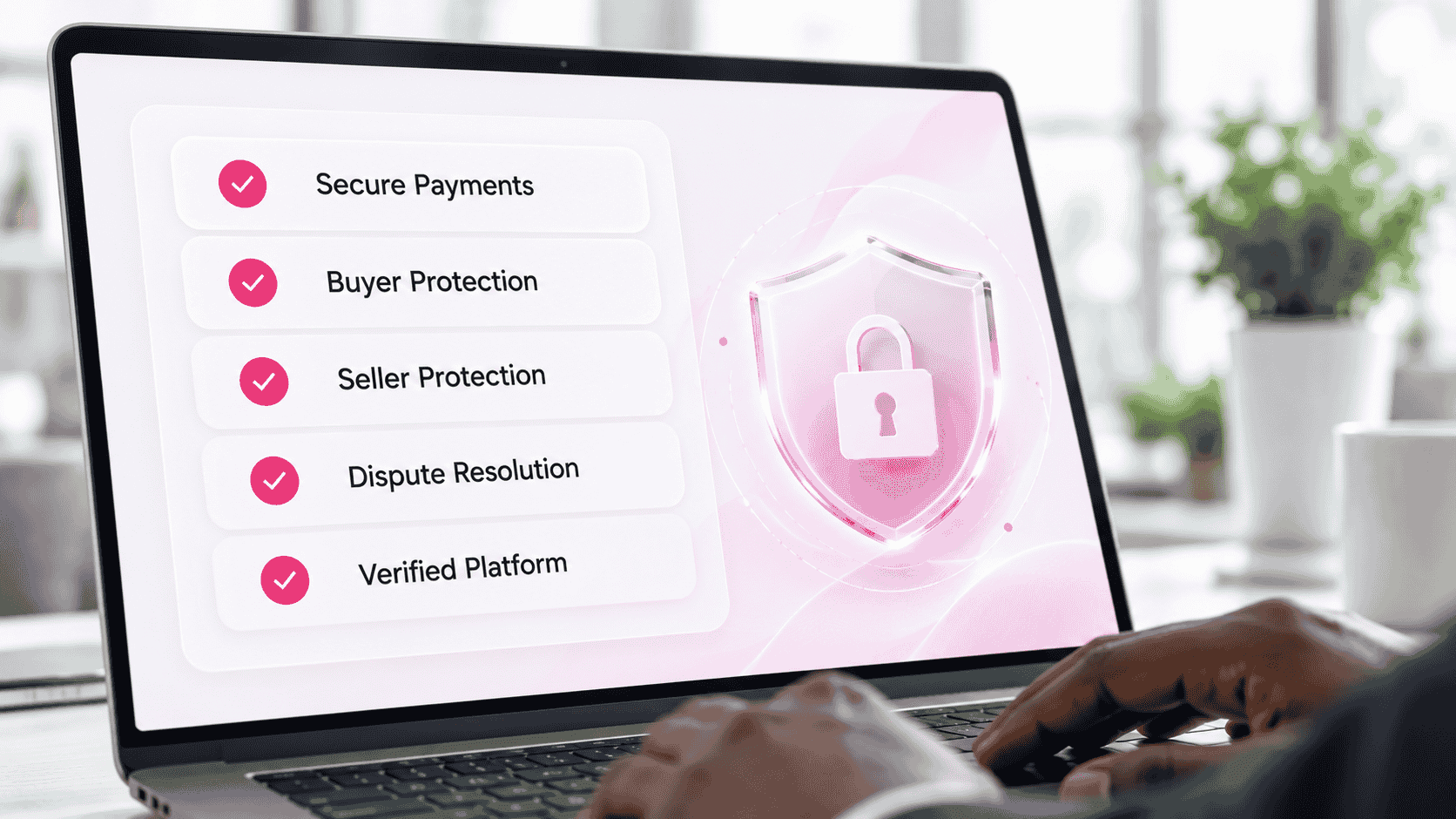
Payluk is a Nigerian escrow platform built to make property transactions safer for both buyers and sellers. It acts as the trusted third party that holds your funds securely and only releases them when the conditions of your deal have been met.
Whether you are buying your first plot of land or closing a multi-million naira property deal, Payluk gives you the protection that direct payment simply cannot offer.
Here is what makes Payluk a solid choice for real estate transactions:
Your funds are held securely until all conditions are fulfilled
Both buyer and seller must agree before any release happens
The process is transparent, so you always know the status of your transaction
It works for individuals and businesses alike
You do not need to be a lawyer or a finance expert to use it. Payluk is designed to be straightforward.
How to Get Started with Payluk
Getting started with Payluk takes just a few minutes. You can create an account and start protecting your property transactions right away.
Download the Payluk app on your phone:
Prefer to use it on your computer? You can also access Payluk directly on the web at www.payluk.com.
Sign up, set up your transaction, invite the other party, and let Payluk handle the rest.
A Safer Way to Buy Property in Nigeria
Real estate is one of the biggest financial decisions most people will ever make. It deserves more protection than a handshake and a prayer.
Escrow does not slow down a deal. It makes it cleaner, safer, and more professional for everyone involved. And with a platform like Payluk, you can set it up without stress, whether you are buying a small plot in Asaba or a commercial property in Lagos.
Before your next property transaction, ask yourself one question: is my money protected if something goes wrong?
If the answer is no, it is time to use Payluk.