Tips
Buying a Car in Nigeria? Here Is How to Make Sure You Don't Get Duped
Gospel Chukwuemeka
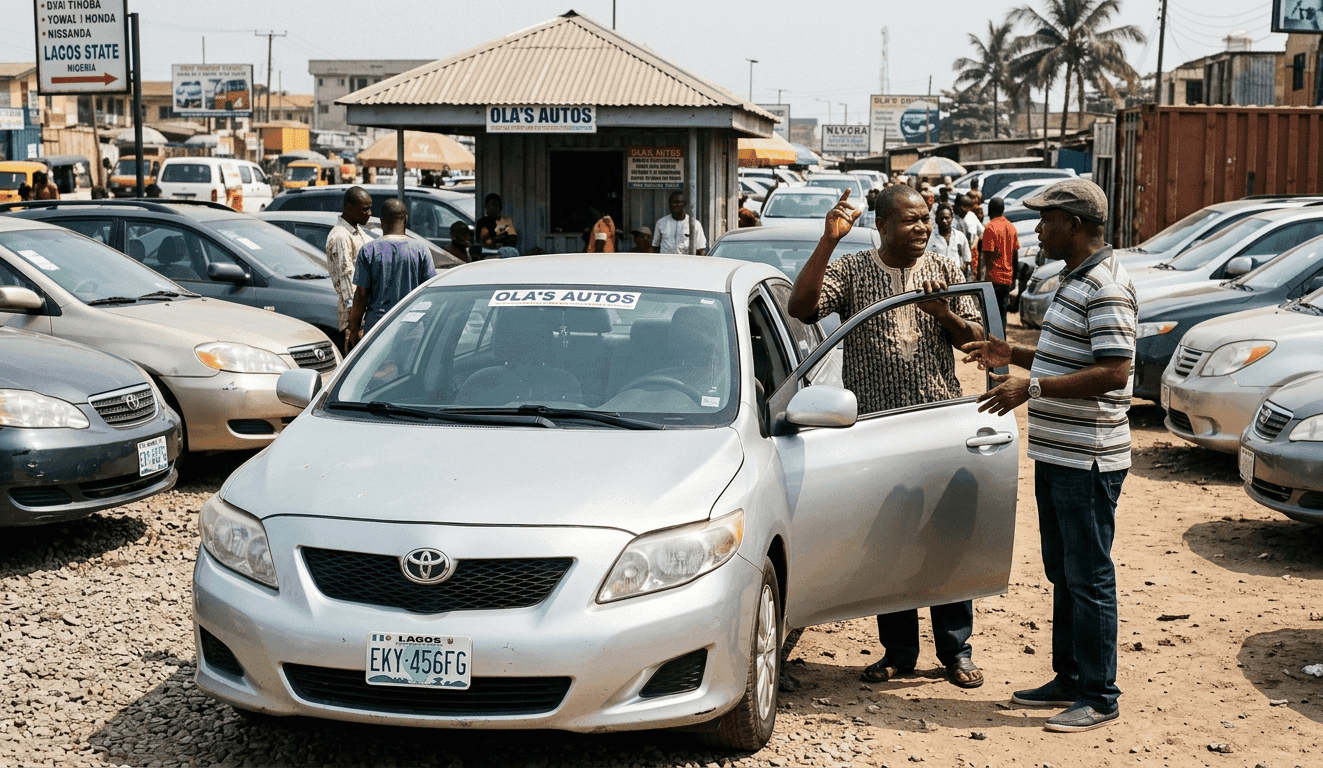
Let's be honest. Buying a car in Nigeria can feel like walking into a minefield.
You find a listing that looks perfect. The price is right. The photos look clean. The seller sounds confident on the phone. You get excited, you move fast, and then somewhere between the handshake and the bank transfer, something goes wrong.
Maybe the car had a hidden accident history. Maybe the documents were forged. Maybe the seller collected your deposit and stopped picking up calls. Maybe you paid in full and the car was never delivered.
It happens every single day in Nigeria. To smart people. To careful people. To people who thought they had done everything right.
This guide is for anyone who wants to buy or sell a car in Nigeria without becoming the next story someone shares in a WhatsApp group.
Why Car Transactions in Nigeria Are So Risky
The Nigerian car market is massive. From the busy lots of Lagos to dealers in Abuja, Portharcourt, Kano and beyond, millions of naira change hands every day. But the market has some serious problems that create room for fraud.
No central verification system. Unlike some countries where you can instantly check a car's full history with a plate number, Nigeria has no widely accessible database that confirms ownership, accident history, or outstanding liens on a vehicle.
Too much trust in paper. Many buyers rely heavily on documents like the vehicle license, proof of ownership, or customs papers without knowing how easy some of these are to forge.
Pressure to pay fast. Scammers often create urgency. "Someone else is interested." "I'm traveling tomorrow." "Pay today and I'll hold it for you." That pressure pushes buyers to skip due diligence.
Cash and direct transfers dominate. Most car transactions in Nigeria still happen via direct bank transfer or cash. Once that money leaves your account, recovering it is extremely difficult.
All of this creates a market where the person with the most information wins, and where the buyer almost always has less information than the seller.
The Two Types of Cars You Are Likely Buying
Tokunbo Cars (Foreign Used)
Tokunbo cars are imported used vehicles, mostly from the United States, Canada, or Europe. They arrive in Nigeria through ports like Tin Can and Apapa in Lagos and are sold by clearing agents, dealers, or individuals.
The appeal is obvious. You get a foreign-used car that has been maintained in a country with stricter standards, often at a lower price than a brand new vehicle.
But the risks are real:
The mileage on the dashboard may have been rolled back
The car could be a salvage title vehicle that was rebuilt after a serious accident
Customs duty may not have been fully paid, leaving you with a car that could be seized
The seller may not be the actual importer, creating a gap in the ownership chain
Nigerian Used Cars
These are cars that have been driven locally and are being resold by their owners or dealers. The risks here are different but just as serious:
The car may have been in an accident that was poorly repaired and repainted
Outstanding loans or liens on the vehicle may not be disclosed
The engine or gear may have been patched up just enough to pass a short test drive
Ownership documents may not match the actual seller
Whether you are buying tokunbo or Nigerian used, the bottom line is the same. You need to verify everything before your money moves.
What to Check Before You Pay
1. Confirm Who Actually Owns the Car
Ask for the original vehicle particulars. The name on those documents should match the person selling to you. If it does not, ask why. If the explanation is not clear, that is a red flag.
For tokunbo cars, ask to see the customs clearance papers. This confirms the car entered the country legally.
2. Do a Physical Inspection (Not Just a Test Drive)
A test drive tells you how the car drives. It does not tell you what the car has been through. Take the car to a trusted mechanic who has no connection to the seller and ask for a full inspection. Check the body panels for signs of repainting. Check underneath for frame damage. Run the engine for at least 20 minutes and watch for overheating or smoke.
If the seller refuses to let you take the car for an independent inspection, walk away.
3. Check the Chassis and Engine Numbers
Every car has a chassis number (also called VIN) and an engine number. These are stamped on the car's body and engine block. Make sure these numbers match what is written on the documents. A mismatch is a serious warning sign that documents may have been swapped.
4. Confirm There Are No Outstanding Loans on the Car
Some sellers put up cars that are still under a bank loan or hire purchase agreement as collateral. If you buy that car and the loan is not paid off, the bank has a right to come after the vehicle. Always ask and verify.
5. Be Careful with Extremely Cheap Listings
If a car is priced significantly below market rate, there is usually a reason. Either something is wrong with it, or the listing is a bait-and-switch. Do your research on the fair market price before you start negotiations.
How Escrow Solves the Biggest Problem in Car Buying
Here is the core issue with most car transactions in Nigeria. The buyer does not want to pay until they are sure the car is legitimate. The seller does not want to hand over the car until they are sure the money is real. Both sides are nervous. And that nervousness is exactly what scammers exploit.
Escrow breaks that deadlock in the cleanest way possible.
Instead of paying the seller directly, the buyer deposits the money into a secure escrow account. The seller can see the money is there and confirmed, so they feel comfortable proceeding. The buyer knows their money is protected and will only be released when the agreed conditions are met.
Both sides can breathe.
If the inspection checks out and everything is as described, the buyer approves the release and the seller gets paid. If something is wrong and the deal falls through based on the agreed terms, the buyer gets their money back.
No chasing. No police reports. No he said she said.
Payluk: The Safest Way to Buy or Sell a Car in Nigeria
Payluk is a Nigerian escrow platform built exactly for situations like this. Whether you are buying a tokunbo Camry from a Lagos dealer or selling your personal Prado to a buyer in Abuja, Payluk holds the funds securely until both parties are satisfied.
Here is how simple it is:
Buyer and seller agree on the price and conditions
Buyer deposits the funds into Payluk escrow
Seller sees the confirmed funds and proceeds with the handover
Buyer inspects the car and confirms everything is in order
Payluk releases the funds to the seller
That is it. Clean, simple, and protected from both ends.
For dealers, it means you can accept large payments with full confidence that the money is real before the car leaves your lot. For buyers, it means you never have to choose between paying blind and losing the deal.
Get Started with Payluk Today
You can create a Payluk account in minutes and start protecting your car transactions right away.
Download the app on your phone:
You can also use Payluk on your browser at www.payluk.com
Sign up, set up your transaction, and let Payluk handle the part that used to keep you up at night.
Buying or selling a car in Nigeria does not have to be a gamble. The scams exist because people keep sending money without protection. Once you stop doing that, you take the power away from fraudsters completely.
Do your checks. Inspect the car properly. Verify the documents. And before any money moves, use Payluk.
Because the best time to protect yourself is before something goes wrong. Not after.
Ready to make your next car transaction the safest one you have ever done? Download Payluk on the Play Store, App Store, or visit www.payluk.com to get started.