Tips
How to Avoid Getting Scammed on Jiji in Nigeria
Gospel Chukwuemeka
Jiji is one of the biggest online marketplaces in Nigeria.
Phones, laptops, cars, furniture, clothes, properties. Whatever you are looking for, there is a good chance someone is selling it on Jiji. With millions of buyers and sellers across the country, it has become one of the first places Nigerians go when they want to buy or sell something.
But that popularity comes with a downside.
Because Jiji is open to everyone, it also attracts people who are not there to sell anything. They are there to take your money and disappear. And because the platform does not have strong buyer protection built in, the responsibility of staying safe falls almost entirely on you as the buyer.
This guide will help you understand how scams happen on Jiji, what to watch out for, and how to make sure your money is protected every time you buy.
Why Jiji Attracts Scammers
Jiji allows anyone to create an account and post a listing. There is no deep identity check. No verification that the seller actually owns what they are listing. No guarantee that the item in the photos is the item you will receive.
A scammer can set up an account, copy photos from the internet, write a convincing description, and start collecting payments from buyers within minutes. The platform has basic safety guidelines but enforcing them is difficult at the scale Jiji operates.
This does not mean Jiji is a bad platform. It means that like every open marketplace, it requires buyers to be careful. The good news is that most scams follow a predictable pattern. Once you know what to look for, they become much easier to spot.
The Most Common Scams on Jiji
Fake Listings
This is the most common trick. A scammer creates a listing using photos stolen from another seller, a manufacturer's website, or an online store. The photos look clean and professional. The description sounds convincing. The price looks right.
You pay. Nothing arrives. Or worse, something arrives that looks completely different from what was shown.
The item in the listing never existed in the seller's hands. The photos were just bait.
Sellers Who Disappear After Payment
You find a listing you like. You reach out to the seller. They respond quickly, seem friendly, and give you confidence. You agree on a price. They ask for payment upfront, maybe a deposit to hold the item or the full amount before delivery.
You send the money. And then the messages stop. The seller stops responding. You check their profile and either it has been deleted or you have been blocked.
Your money is gone and there is nothing on the platform to help you get it back.
No Buyer Protection on the Platform
Unlike dedicated e-commerce platforms that hold payments until delivery is confirmed, Jiji does not have a built-in payment protection system. When you pay a seller directly, whether through bank transfer, mobile money, or any other method, that money leaves your hands immediately.
If the seller cheats you, Jiji cannot reverse the transaction. There is no escrow. No insurance policy. No refund process that works in your favour. What you sent is gone unless the seller willingly returns it, which rarely happens.
This is the gap that makes every other scam so damaging. Without protection built into the payment process, buyers are on their own.
Red Flags to Watch Out For
Knowing these warning signs can save you from a lot of pain. Before you send any money to a Jiji seller, check for these:
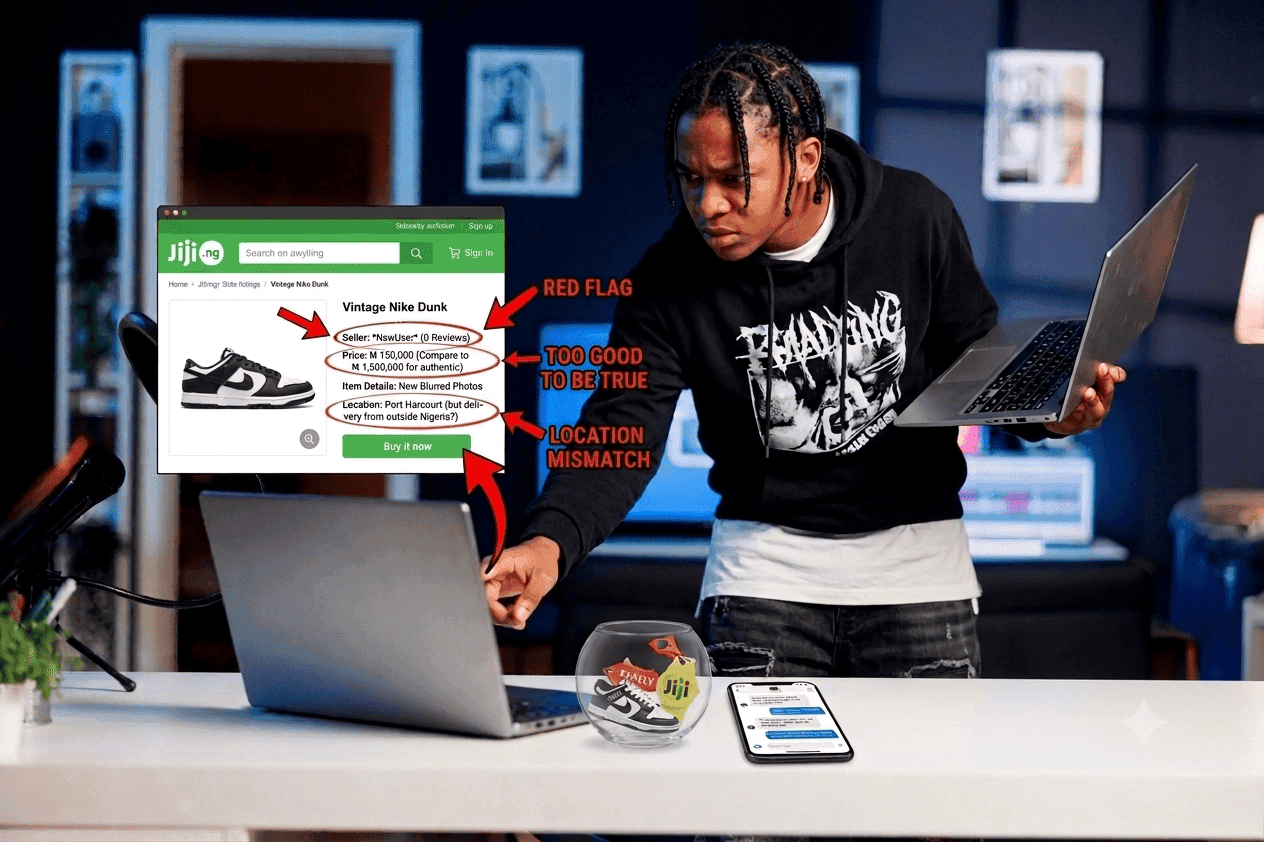
The price is far below market rate: If a brand new Samsung phone is listed for fifty thousand naira when every other listing has it at two hundred thousand, something is wrong. Scammers use prices that are too good to be true to attract buyers quickly. That feeling you get when a deal looks too good? Trust it.
The seller's profile is brand new or empty: Before you do anything else, look at the seller's profile. How long have they been on Jiji? Do they have any reviews or ratings from past buyers? A profile that was created recently with no history, no reviews, and no activity is a serious warning sign.
The seller is pressuring you to pay fast: "I have other buyers interested." "Pay today or I will sell to someone else." "This price is only available until tonight." These are pressure tactics. They are designed to make you act quickly without thinking carefully. A genuine seller will give you time to verify the item and make a comfortable decision.
The listing photos look too perfect: Real sellers take their own photos, usually with a phone, in their home or wherever the item is. The lighting may not be perfect. The background might be ordinary. If the photos in a listing look like they came from a professional catalogue or an online store, they probably did.
They ask for full payment with no protection in place: Asking for payment before delivery is not automatically a red flag. But asking for full payment with no structure, no receipt, and no way to protect your money if something goes wrong is a sign to be careful.
They cannot show you the actual item: Ask the seller to send you a fresh photo or short video of the item. Something specific that proves they actually have it, like showing the item next to a handwritten note with your name on it, or showing a specific part of the item you request. A genuine seller with a real item will have no problem doing this. A scammer using stolen photos cannot.
How to Protect Yourself as a Buyer on Jiji
Spotting the red flags is important. But taking active steps to protect yourself is even more important. Here is what to do before any money moves:
Research the price independently: Before you contact any seller, find out what the item actually costs. Check other listings on Jiji, visit other platforms, and get a sense of the fair market price. This helps you immediately spot prices that are suspiciously low.
Check the seller's profile and reviews: Look at how long they have been on Jiji. Read any reviews left by past buyers. Look for patterns. If multiple buyers have complained about the same seller, that tells you everything you need to know.
Ask for a live photo or video: Do not rely on the photos in the listing alone. Ask the seller to show you the item live, either through a video call or by sending a fresh photo that proves they physically have it.
Never let anyone rush you: Take your time. No genuine deal disappears because you took an extra day to think carefully. Pressure is almost always a sign that something is wrong.
Make sure your payment is protected before it moves: This is the single most important step. Whatever you do, do not send money directly to a stranger without any protection in place. A payment you can get back if something goes wrong is a payment you can make confidently. A payment with no protection is a risk you do not have to take.
How Payluk Keeps Your Money Safe on Jiji
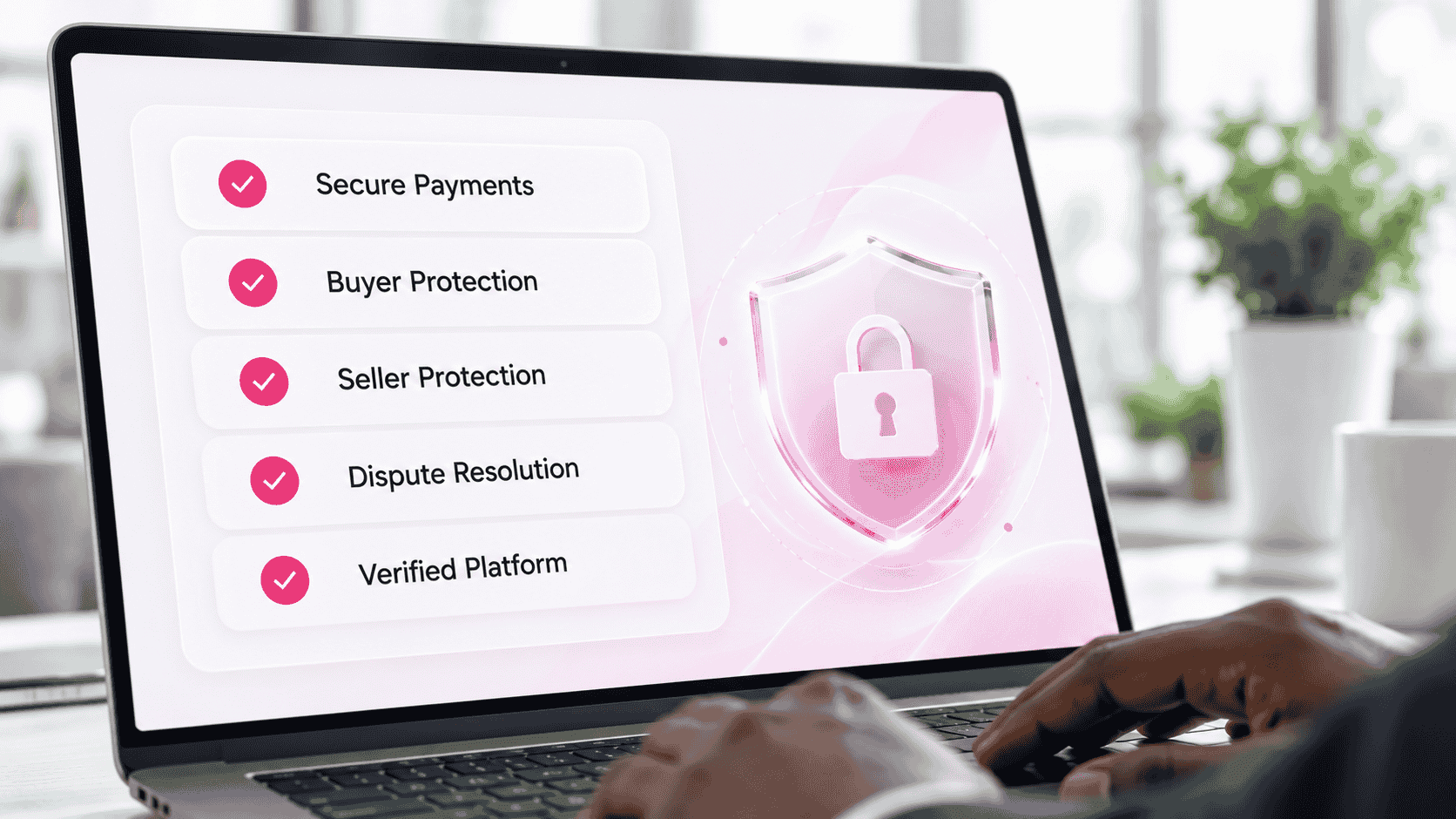
Payluk is a Nigerian escrow platform that gives buyers the protection Jiji was never built to provide.
Here is how it works. Instead of sending money directly to the seller, you deposit your payment into a secure Payluk escrow account. The seller can see that the funds are confirmed and available, so they are comfortable proceeding. You receive the item, inspect it, and confirm that everything is as described. Once you are satisfied, you approve the release and the funds go to the seller.
If something is wrong with the item or it never arrives, your money does not move. There is a structured process to handle the situation fairly.
No more paying upfront and hoping for the best. No more losing money to sellers who disappear. No more being left on your own when a deal goes wrong.
Whether you are buying a phone, a laptop, furniture, a car, or anything else from a seller you found on Jiji, Payluk makes sure your money is protected until you are completely satisfied with what you received.
Shop on Jiji. Pay With Payluk.
Jiji is a great place to find what you are looking for. But finding a good deal is only half the story. Making sure your money is safe while you get it is the other half.
Download Payluk today and protect every purchase you make.
You can also sign up on the web at app.payluk.ng
Have questions? Reach the Payluk team at support@payluk.ng and they will be happy to help.