Product
A Deal Gone Wrong Does Not Mean Money Lost. Here Is How Payluk Resolves Disputes.
Gospel Chukwuemeka
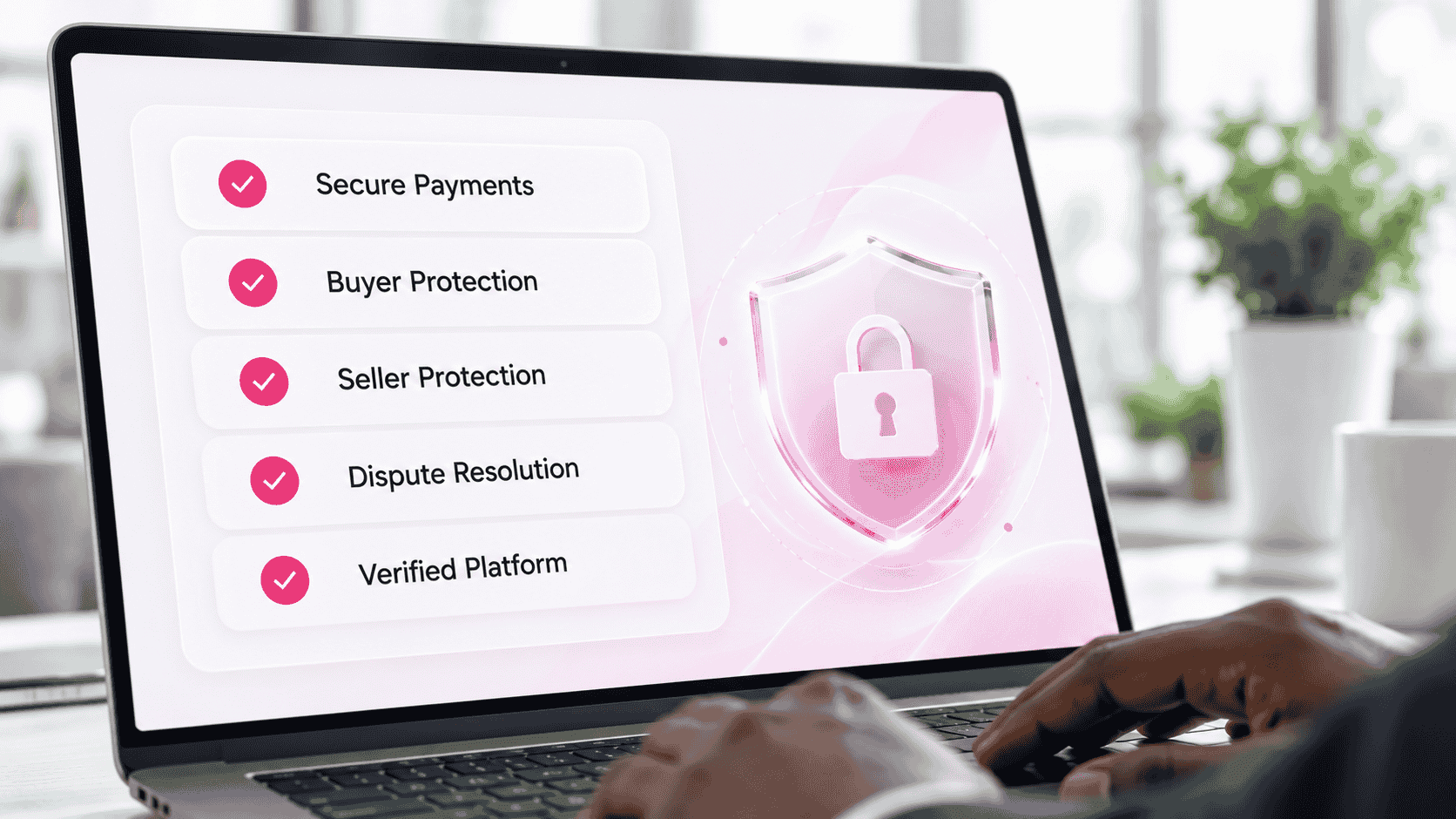
Every transaction starts with good intentions.
The buyer is excited about what they are getting. The seller is ready to deliver. Everything looks fine. And then somewhere along the way, something goes wrong.
The goods arrive damaged. The service delivered looks nothing like what was described. The seller believes they have done their part but the buyer has gone quiet. Whatever the situation, the deal has broken down and now both parties are anxious about what happens next.
If you have ever been in that position with a direct bank transfer, you already know how it ends. Once the money has moved, getting it back is a battle. Police reports. Lawyers. Threats. And most of the time, nothing.
On Payluk, that story is completely different. There is a clear, structured process for exactly this moment. And the most important part? Your money never went anywhere to begin with.
The First Thing to Know: Your Money Is Still Safe
Before anything else, understand this.
From the moment a dispute is raised until it is fully resolved, funds remain locked in escrow. Nobody can touch them. Not the buyer. Not the seller or service provider. The money sits exactly where it was, waiting for a fair resolution.
This is the fundamental difference between escrow and a direct transfer. With a direct transfer, the money is already gone before the problem surfaces. With Payluk, the money is still there, protected, while the situation gets sorted out.
A dispute is not a crisis. It is a process.
The 24 Hour Confirmation Window
Here is something important to understand about how Payluk works, because it protects both sides of every transaction.
When a seller or service provider believes they have delivered on their end, they can request a claim to the funds at the end of the agreed delivery timeline. At that point, the buyer or client has 24 hours to take one of two actions.
They can confirm that everything was delivered as agreed and release the funds to the seller. Or they can raise a dispute if something is wrong.
If the 24 hours pass and neither action has been taken, the funds are automatically released to the seller or service provider.
This protects sellers and service providers from buyers or clients who go silent after receiving a delivery. It means that delivering your end of the deal is enough. You do not have to chase anyone down or wait indefinitely for a confirmation that never comes.
How a Dispute Gets Started
Only the buyer or client can raise a dispute on Payluk.
A dispute is typically raised when:
Goods arrive damaged, incomplete, or significantly different from what was described
A service was not delivered to the standard that was agreed upon
The delivery did not happen within the agreed timeline
There is a clear discrepancy between what was promised and what was received
When raising a dispute, the buyer or client submits their evidence to support their claim. This is what the Payluk dispute resolution team will review.
What Happens After a Dispute Is Raised
Once a dispute is opened, here is exactly what happens:
Step 1: The buyer or client submits their evidence: This could include photos of the items received, screenshots of the original agreement, delivery receipts, or anything else that supports their claim that the delivery did not meet what was agreed.
Step 2: The seller or service provider is notified and responds: The other party receives a notification and is given the opportunity to respond. They can submit their own evidence to support their side of the story.
Step 3: Payluk's dispute resolution team steps in: The team begins reviewing the dispute within the first 24 hours. They go through the evidence submitted by both parties carefully and without bias.
Step 4: A decision is reached: Based on the evidence provided, a resolution is issued. Either the funds are returned in full to the buyer or client, or they are released in full to the seller or service provider.
Throughout all of this, the funds remain untouched in escrow.
What Counts as Good Evidence
The outcome of a dispute depends heavily on the quality of evidence submitted. Here is what both sides should keep in mind.
If you are the buyer or client:
Take clear photos or videos of the items immediately upon receiving them, especially if something looks wrong
Keep records of the original agreement including descriptions, specifications, and timelines
Save any communication where the seller confirmed what would be delivered
Keep delivery receipts or tracking information that shows discrepancies
If you are the seller or service provider:
Keep photos or videos of items before they are dispatched, showing their condition at the point of sending
Hold on to proof of delivery such as courier receipts, tracking confirmations, or signed acknowledgements
Save any communication where the buyer or client acknowledged receiving the delivery
Keep records of the agreed scope of work if you are a service provider
The clearer and more specific your evidence, the stronger your position. Vague claims without supporting documentation are harder to resolve in your favour.
The Outcome
At the end of the review, Payluk issues one of two decisions.
If the evidence supports the buyer or client, they receive a full refund. The funds are returned to them and the transaction is closed.
If the evidence supports the seller or service provider, the funds are released to them in full. Their delivery has been verified and they receive what they were owed.
There is no ambiguity. No drawn out back and forth. Just a fair review and a clear outcome based on what the evidence shows.
Disputes Are Not a Failure. They Are the System Working.
Here is the right way to think about a dispute on Payluk.
It is not a sign that something went terribly wrong. It is proof that the protection was there when it was needed most. The money was safe the entire time. Both parties had a fair chance to present their case. And a resolution was reached based on evidence, not on who shouted loudest or who had a better lawyer.
That is what escrow is supposed to do. And that is exactly what Payluk delivers.
Start Transacting With Confidence
Whether you are a buyer, a client, a seller, or a service provider, Payluk gives you a safety net that makes every transaction worth attempting.
Download the Payluk app to get started:
You can also access Payluk on the web at app.payluk.ng
Have questions about how disputes work for your specific situation? Reach out to the Payluk team directly at support@payluk.ng and we will walk you through it.
Because the best time to understand how protection works is before you ever need it.