Tutorial
5 Common Instagram Scams in Nigeria (And How to Avoid Them)
Gospel Chukwuemeka
Instagram has become one of Nigeria's biggest marketplaces. From fashion to electronics, food to furniture, millions of Nigerians buy and sell on the platform every single day. But right alongside the legitimate vendors and honest buyers, a growing army of scammers has made Instagram one of the most dangerous places to do business without protection.
In this article, we break down the 5 most common Instagram scams targeting Nigerians, exactly how they work, and what you can do to protect yourself, before you send a single naira.
Why Instagram Scams Are So Common in Nigeria
Instagram was designed for photos and stories, not for commerce. It has no built-in payment
protection, no buyer guarantee, no dispute mechanism, and no identity verification. Anyone can create an account, post beautiful product photos stolen from legitimate sellers, and disappear after collecting payment. The platform's informal nature - deals closed via DMs, payments made via bank transfer — means that once your money leaves your account, it is almost impossible to recover it.
According to reports from Nigerian consumer protection bodies, social media marketplace fraud costs Nigerians billions of naira every year. Instagram is the single biggest channel for this fraud, simply because it is where commerce is most active.
The 5 Scams You Must Know
Scam #1: The Fake Product Account
This is the most common Instagram scam in Nigeria. A fraudster creates a professional-looking
account, populates it with stolen product photos from legitimate sellers, writes convincing captions, and even buys fake followers to appear credible. They advertise prices slightly below market rate to attract buyers quickly.
Once you contact them, they ask for full payment upfront via bank transfer. After payment, they either block you immediately or keep stalling with fake delivery updates until you give up.
How to spot it: Check how long the account has been active. Look for inconsistencies in photo quality. Search the product images on Google, stolen photos will appear elsewhere. Ask for a live video of the item before paying.
Scam #2: The Fake Alert Trick
This one targets sellers. A buyer contacts you, agrees to your price, and sends you a screenshot of what appears to be a bank transfer confirmation. The screenshot looks completely real, the correct amount, your account number, even a debit reference number.
You release the goods or deliver the service, only to discover later that the transfer never happened. The screenshot was fabricated using editing apps, and your bank account shows
nothing.
How to spot it: NEVER rely on a transfer screenshot. Always verify directly in your banking app or by calling your bank before releasing any item or service. With Payluk, the buyer funds the escrow account first — you can verify the funds are there before you deliver anything.
Scam #3: The Partial Payment Trap
A buyer contacts you, haggles you down to a price, and then says they will pay part now and the balance on delivery. They send the partial payment, you deliver the goods, and then they disappear, block you, or dispute the remaining payment with endless excuses.
How to spot it: Never agree to delivery before full payment is secured. If using Payluk, the full agreed amount sits in escrow before you ship anything.
Scam #4: The Impersonation Scam
Fraudsters copy the identity of legitimate, verified sellers — using the same profile photo, the
same name, and almost the same handle (swapping a letter or adding an underscore). They then contact buyers who have inquired on the real seller's page, offering the same product at a discount and redirecting payment to their account.
How to spot it: Always verify the exact username. Check for the blue verification badge.
Message the seller directly from their profile — do not follow a link sent to you.
Scam #5: The Rental/Property Scam
Fraudsters post gorgeous apartments and short-let properties with professional photos at attractive prices. They ask for a deposit to secure the booking, which must be paid immediately because 'multiple people are interested.' After you pay, the property either does not exist, is already occupied, or belongs to someone else entirely.
How to spot it: Never pay a property deposit without a physical inspection or without using an escrow service. Payluk is specifically designed for securing property deposits in Nigeria.
The One Solution That Stops All of These Scams
Notice what every single one of these scams has in common: they all rely on you handing over money or goods before the other party has fulfilled their side of the deal. The scam only works when there is no neutral third party holding the transaction accountable.
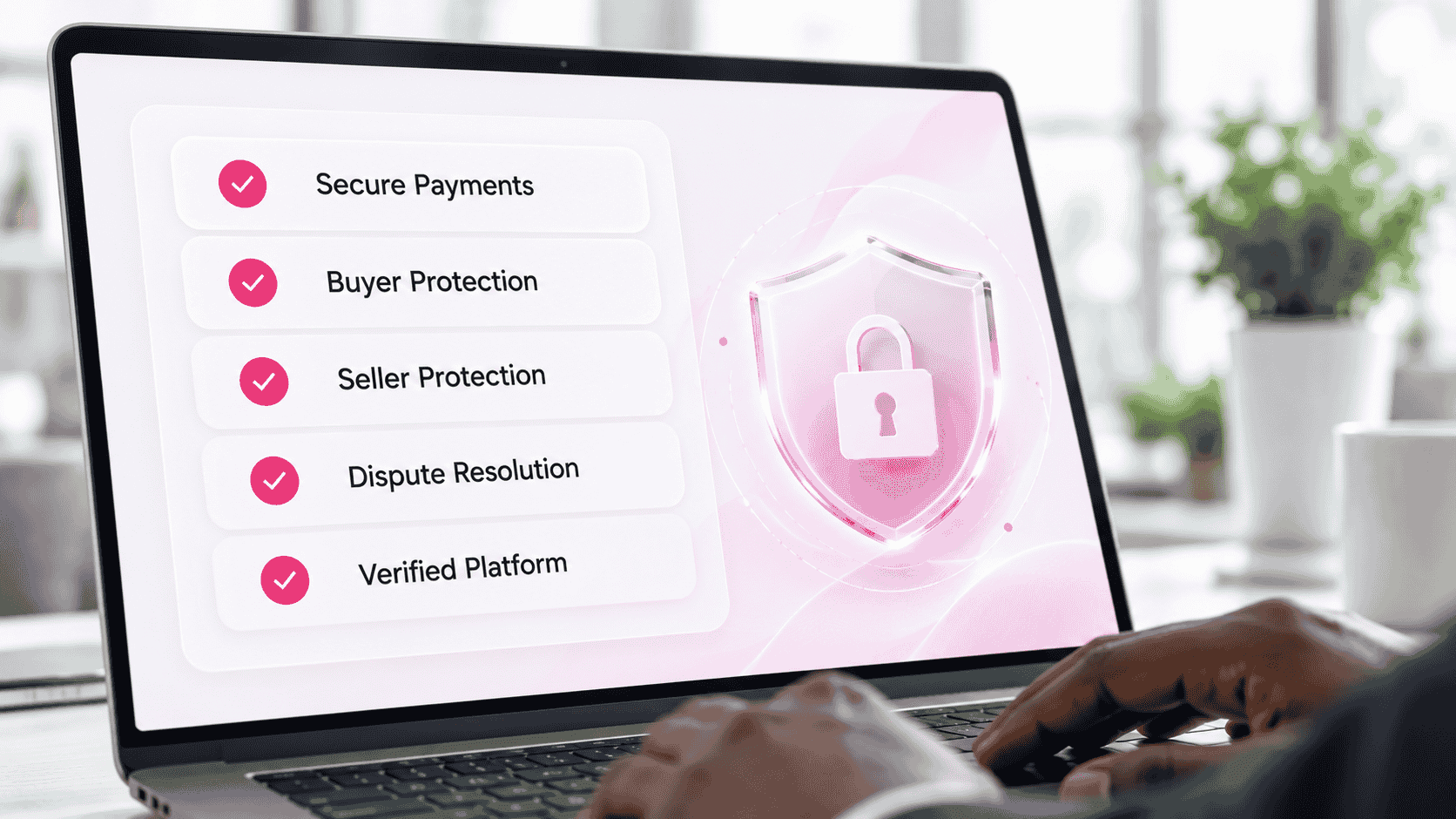
That is precisely what Payluk exists to solve. With Payluk's escrow system, your money is held securely by a neutral party - Payluk, until both the buyer and seller confirm the deal is complete.
The seller only receives payment after delivery is confirmed. The buyer only releases funds when they are satisfied. And if something goes wrong, Payluk's dispute resolution team steps in.
It is simple, Nigerian-built, and it works. Whether you are buying phones, fashion, electronics, or services on Instagram, insist on using Payluk.
No deal is too small to protect. A scammer does not care if it is ₦5,000 or ₦500,000,
they will take whatever they can. Neither should you care if a deal 'seems small' -
protect every transaction.
Ready to transact safely?
Create your free Payluk account today and start transacting safely on Instagram.
Visit www.payluk.ng to learn more and download the Payluk app on Android & iOS.