How Payluk Works
From agreement to payout — escrow keeps every step clear.
The Payluk loop
Money moves only when the story matches the agreement.
Escrow replaces blind trust with a clear sequence: agree, pay in, deliver, confirm, settle. Here is how that plays out step by step.
Agree on the deal
Align on what is sold, for how much, and what “done” looks like. The seller shares a Payluk payment link — no bank details in the chat.
This is your handshake in writing: scope, price, and delivery expectations are clear before money moves. That clarity is what makes escrow fair when you are dealing with someone you have never met.
Good deals start explicit — ambiguity later is what disputes feed on.
Secure payment in escrow
The buyer pays into Payluk. We hold funds in escrow until delivery is satisfied — not in the seller’s pocket upfront.
Neither side “just trusts” the other with cash. Money sits in a controlled flow: released when the deal is honoured, or handled through dispute rules when it is not.
Escrow turns “I will pay you when…” from a promise into a process.
Seller delivers as agreed
The seller ships, completes the service, or hands over digital goods — exactly as you defined in step one.
Proof can be tracking, milestones, files, or sign-off — whatever fits your trade. The buyer should be able to verify they received what they paid for.
Delivery is where trust is tested — escrow keeps the money honest until then.
Buyer confirms satisfaction
The buyer verifies delivery and confirms satisfaction — that authorises Payluk to release funds to the seller.
If something is wrong, the buyer can raise a dispute instead of releasing. When things go right, one confirmation completes the loop.
You stay in control: release when satisfied, or dispute when you are not.
Payluk releases the funds
We settle to the seller. The transaction closes with a clear record of what happened and when.
Businesses get predictable payout after delivery; buyers never “paid and prayed” — they paid into a flow that only finished when the deal did.
Stress-free is money moving only when the story matches the agreement.
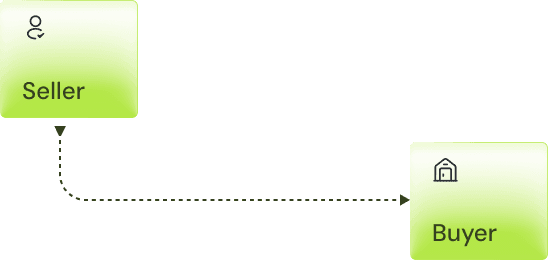
Agree on the deal
Align on what is sold, for how much, and what “done” looks like. The seller shares a Payluk payment link — no bank details in the chat.
Good deals start explicit — ambiguity later is what disputes feed on.
Secure payment in escrow
The buyer pays into Payluk. We hold funds in escrow until delivery is satisfied — not in the seller’s pocket upfront.
Escrow turns “I will pay you when…” from a promise into a process.
Seller delivers as agreed
The seller ships, completes the service, or hands over digital goods — exactly as you defined in step one.
Delivery is where trust is tested — escrow keeps the money honest until then.
Buyer confirms satisfaction
The buyer verifies delivery and confirms satisfaction — that authorises Payluk to release funds to the seller.
You stay in control: release when satisfied, or dispute when you are not.
Payluk releases the funds
We settle to the seller. The transaction closes with a clear record of what happened and when.
Stress-free is money moving only when the story matches the agreement.