Security
How to Spot Fake Sellers on Jiji Before You Send a Kobo
Lilian Ejeh
Jiji is Nigeria's largest online classifieds platform, with millions of listings spanning everything from cars and properties to electronics, clothing, and household goods. It is a genuinely useful marketplace, but like every open platform, it attracts fraudsters who exploit buyers who do not know the warning signs.
Here is your complete guide to spotting fake sellers on Jiji before you lose a single naira.
Why Jiji Fraud Happens
Jiji allows anyone to post a listing without deep identity verification. A scammer can create an account, post a convincing listing with stolen photos, and begin collecting payments from unsuspecting buyers within minutes. The platform has basic safety guidelines, but the responsibility for verification ultimately falls on the buyer.
Understanding this reality is the first step. The second step is knowing exactly what to look for.
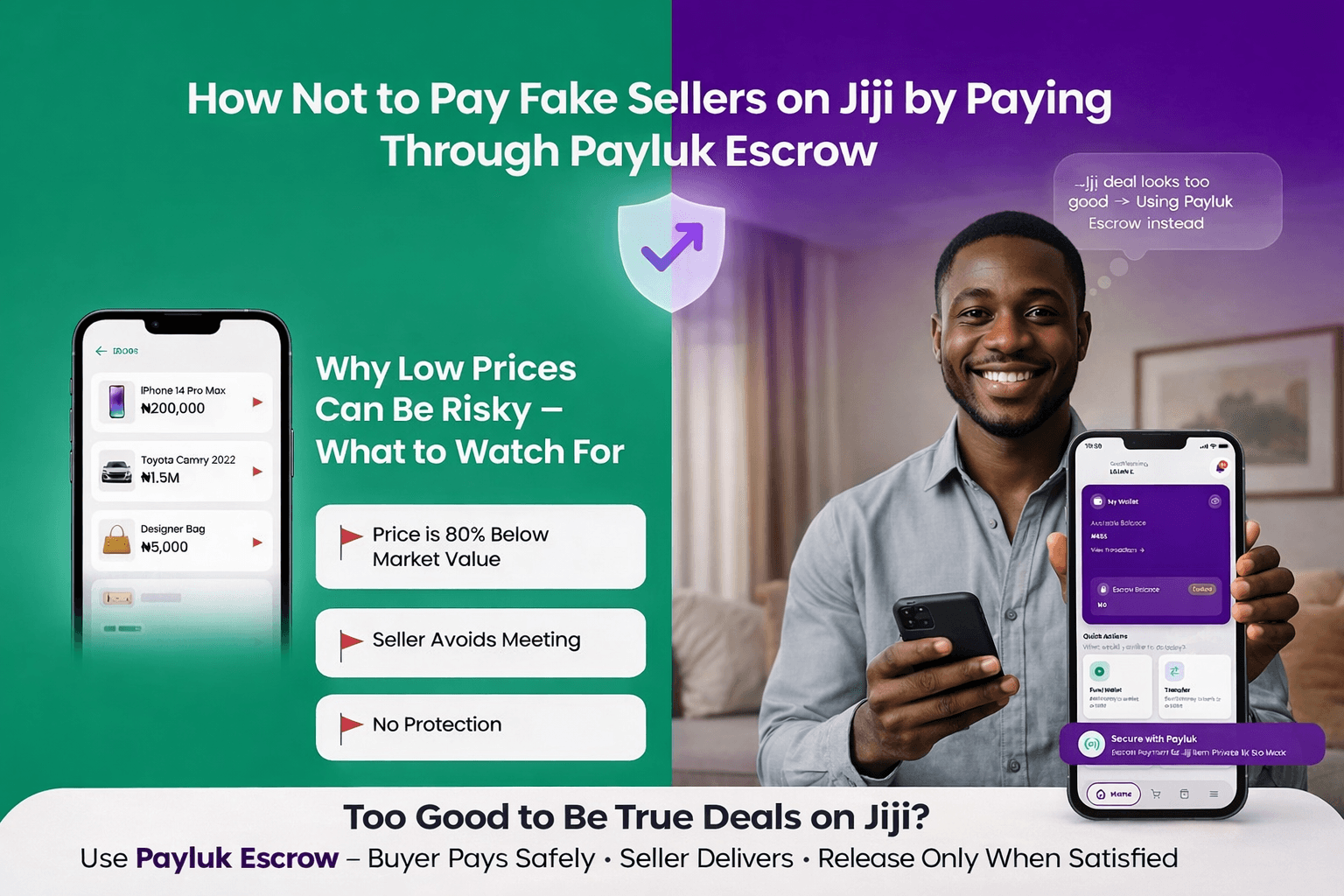
Red Flag No. 1: The Price Is Too Good to Be True
A brand new iPhone 15 Pro for ₦200,000 when the market rate is ₦700,000. A Toyota Corolla 2020 for ₦3 million when it should be ₦9 million. A 3-bedroom apartment in Lekki for ₦800,000 annually, when comparable properties rent for ₦3 million.
Fraudsters use below-market prices dramatically as bait. They know that the promise of a bargain short-circuits critical thinking. If a price makes you think 'this is too good to be true,' that instinct is almost always correct. Trust it.
Red Flag No. 2: The Seller Cannot Meet In Person
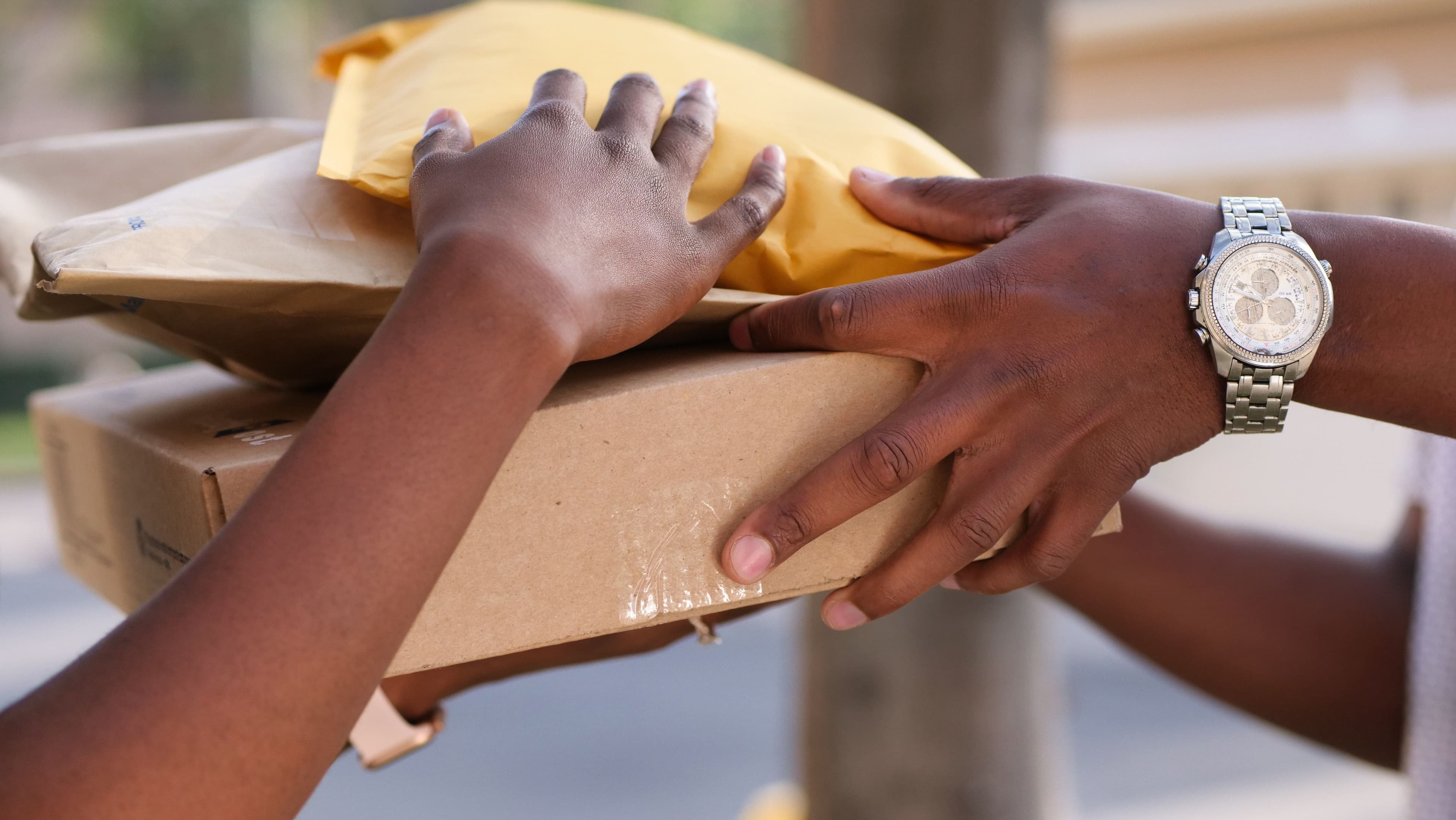
For high-value items, cars, phones, laptops, and property, a legitimate seller in Nigeria will almost always be willing to meet in a public place for inspection. A seller who has every excuse for not meeting you in person, or who is located in a different city for each valuable item they list, is often fraudulent.
Watch out for: 'I am currently in the UK and shipping it.' 'My agent will handle delivery.' 'I cannot meet because I am sick/travelling/at work.' These are delaying tactics while they collect your money.
Red Flag No. 3: Only WhatsApp Communication
Fraudsters prefer to move conversations off Jiji and onto WhatsApp as quickly as possible. Once on WhatsApp, there is less of a paper trail and less risk of Jiji flagging suspicious activity. If a seller immediately asks you to continue the conversation via WhatsApp and refuses to communicate through Jiji's messaging system, proceed with extreme caution.
Red Flag No. 4: No Photos of the Actual Item
Stolen product photos from manufacturer websites or other listings look professional and polished. Photos of the actual item being sold look like they were taken with a phone in a real environment, with imperfect lighting, real backgrounds, and multiple angles.
Ask the seller to send you a live photo or video of the item next to today's newspaper, or with a specific item you request, like a pen or another object. A fraudster using stolen photos cannot comply with this request.
Red Flag No. 5: Pressure to Pay Immediately
'Someone else is coming to see it this afternoon.' 'I have two other buyers waiting.' 'If you do not pay the deposit now, I will give it to someone else.' This manufactured urgency is a classic pressure tactic designed to prevent you from doing your due diligence.
Legitimate sellers do not emotionally pressure buyers into immediate payment. They give you time to verify the item, negotiate, and pay safely.
Red Flag No. 6: Refusing Escrow
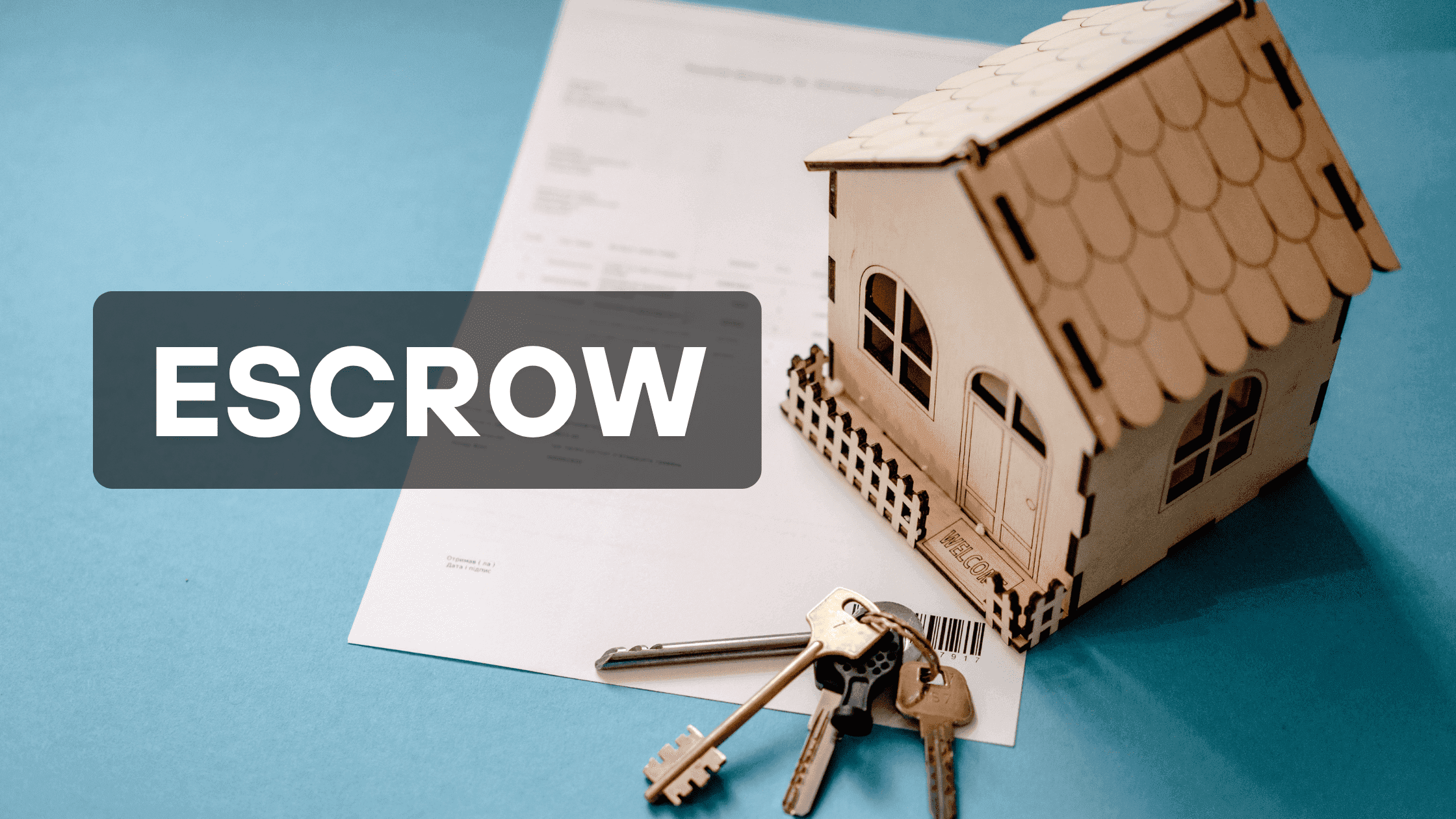
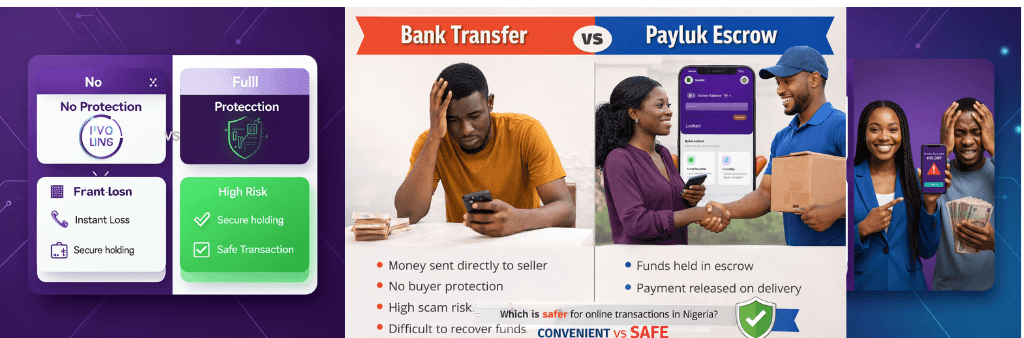
This is the most definitive red flag of all. When you suggest using Payluk's escrow service to secure the transaction, a legitimate seller will either agree immediately or ask a reasonable question about how it works. A fraudulent seller will resist, make excuses, or flatly refuse.
The logic is simple: a seller who intends to deliver the goods has nothing to lose from escrow. They get paid the moment you confirm receipt. A seller who does not intend to deliver will refuse escrow because it removes their ability to disappear with your money.
How to Safely Complete a Jiji Transaction
1. Research the price of the item independently before contacting the seller.
2. Review the seller's profile, account age, and any available ratings or reviews.
3. Ask for a live video call showing the item.
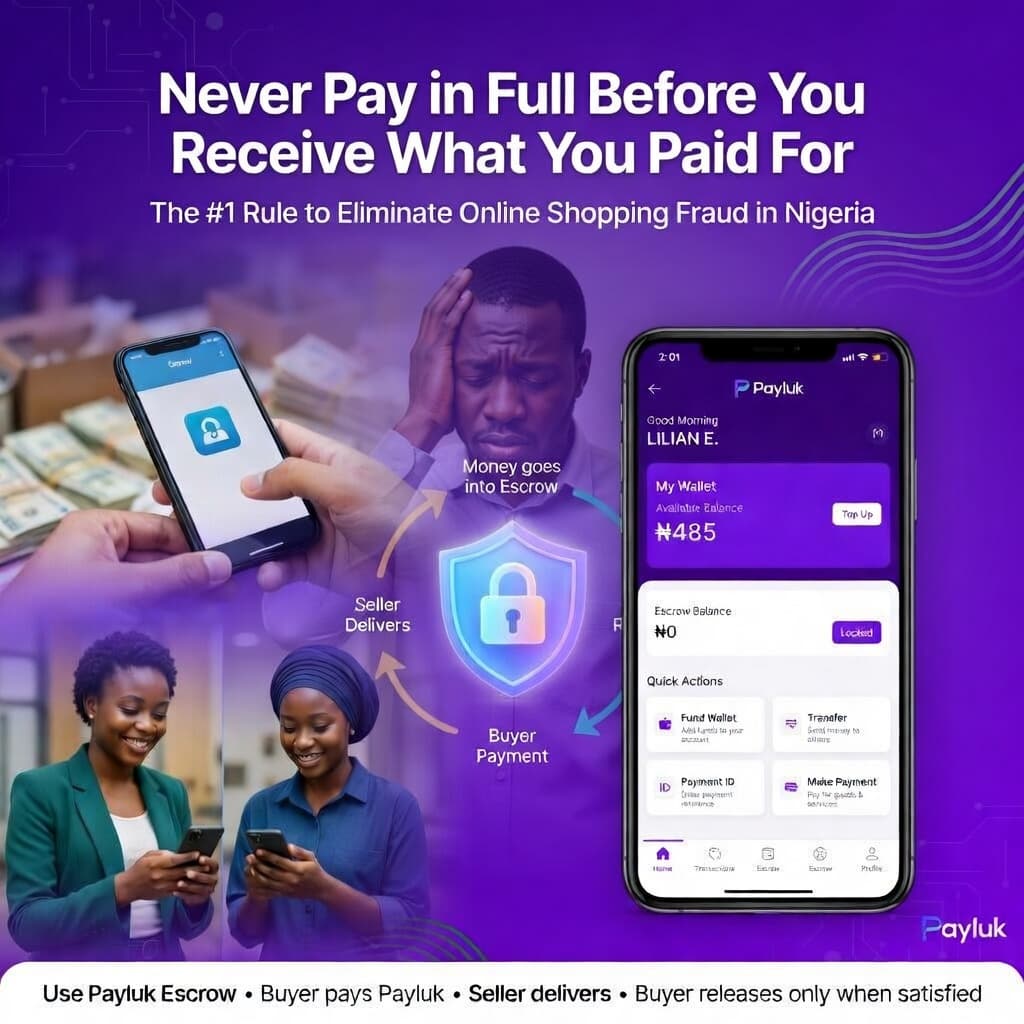
4. Insist on payment through Payluk escrow; the seller creates the transaction,
you fund it, they deliver, you confirm.
5. For physical items in the same city, meet in a public place like a bank lobby
or busy shopping centre.
6. Never transfer money directly to a stranger's account for anything above
₦10,000 without escrow protection.
Jiji is a great marketplace, but your safety on it is your responsibility. Use the platform's listings to find what you want, and use Payluk to pay for it safely.
Ready to transact safely?
The next time you find something on Jiji, pay safely with Payluk. Download the app or visit www.payluk.ng, and protect every purchase.
Visit www.payluk.ng or download the Payluk app on Android & iOS.